A lot of people get into smart home automation thinking every device will just work together automatically. Then the internet goes down, an app crashes, or a cloud service changes something overnight, and suddenly half the house stops working.
Click here for the best price on Hubitat.
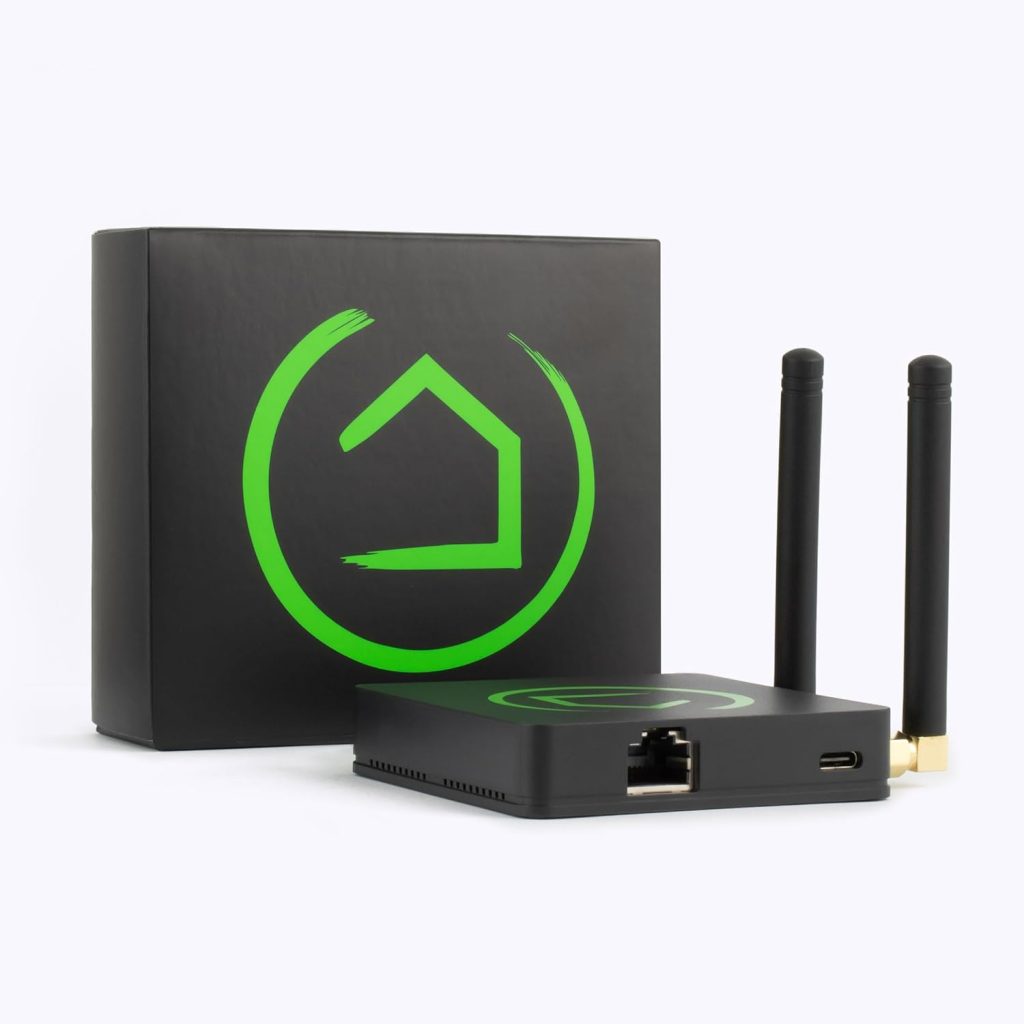
That’s one of the biggest reasons local control matters.
Local control means your smart home devices communicate directly with your hub inside your house instead of depending on servers somewhere else. So even if your internet goes out, things like lights, motion sensors, locks, and automations can still keep working.
This is also why hubs like Hubitat and Home Assistant have become so popular with people who want a more reliable setup. They focus heavily on local automation instead of relying completely on the cloud.
Another big advantage is speed. Local automations usually react almost instantly. Motion lights turn on faster, sensors respond quicker, and routines feel smoother overall. Once you start using local automations, you really notice the difference.
I also think local control gives you more flexibility long term. Companies shut down apps and services all the time. If your entire setup depends on one company’s servers, you’re basically hoping they never change direction. With local smart home automation, you have a lot more control over your own system.
That doesn’t mean cloud devices are always bad. Some are still great products. But if reliability matters to you, especially for important automations like lighting, security, or notifications, local control is something worth paying attention to before buying devices.
At the end of the day, the best smart home setup is the one that keeps working consistently without making you troubleshoot things every week.